How can the immune landscape be analyzed comprehensively?
Understanding the immune response to cancer within the tumor microenvironment (TME) requires the simultaneous analysis of multiple cell types and their molecular pathways, in order to capture the full picture of immune activation or suppression.
High-throughput solutions in single-cell proteomics, spatial analysis and genomic profiling provide the necessary resolution to analyze immune cell populations in their native context – revealing how they coordinate anti-tumor responses, as well as how tumors evade immune surveillance.
Cancer immunotherapy applications
CAR T cell therapy
The complexity of CAR T cell differentiation, from naive T cells through to memory formation and exhaustion, requires high-dimensional analysis to reveal predictive biomarkers and optimize therapeutic outcomes. The capabilities of CyTOF technology to capture a comprehensive and quantitative snapshot of all cell types and their interactions in one run is key to revealing mechanisms of CAR T cell activity, including immune regulation and cell subsets responsible for prolonged therapeutic response.
Functional profiling
CyTOF systems detect rare cell populations and reveal greater functional diversity by detecting the most targets on a single cell, including Th1 and Th2 cytokines, Treg cytokines, cytotoxic mediators and immune checkpoint markers. This allows identification of biomarkers of immune potency and inflammatory response by easily profiling immune cell type and function in a single panel and providing higher signal resolution to allow for the detailed determination of cellular functional diversity.

Neuro-oncology
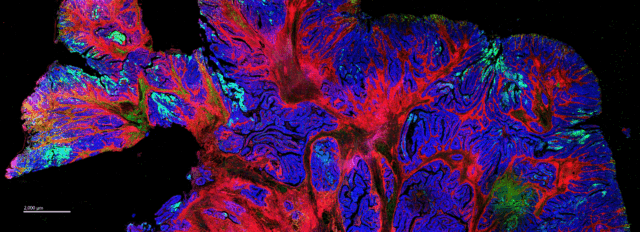
High-plex IMC enables both detailed visualization and quantitative analysis, uncovering a wide range of biological insights. It can shed light on the neuronal and mesenchymal origins of cancer, reveal how cancer stem cells differentiate into distinct clones, and identify immune signals associated with both tumor-promoting and tumor-suppressing responses. Together, these insights deepen our understanding of cancer biology and create new opportunities for improved diagnostics and targeted therapies.
Immune response
Single-cell and spatial proteomics enable detailed immunophenotyping and functional profiling of activated immune cells. Both approaches provide insight into adaptive immune responses by detecting and characterizing specific T cells involved in targeting foreign antigens. These capabilities are critical for advancing research in immunotherapy.
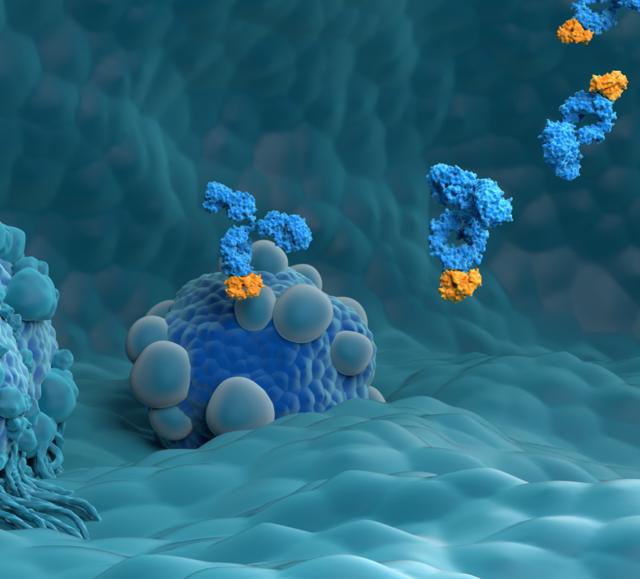
Tumor gene expression
Targeted genomic analysis can reveal gene expression signatures associated with survival and cancer progression. High-throughput qPCR with the Biomark platform enables rapid and efficient profiling of up to 96 genes one run, providing a cost-effective and time-saving approach for gene expression profiling.
In the spotlight
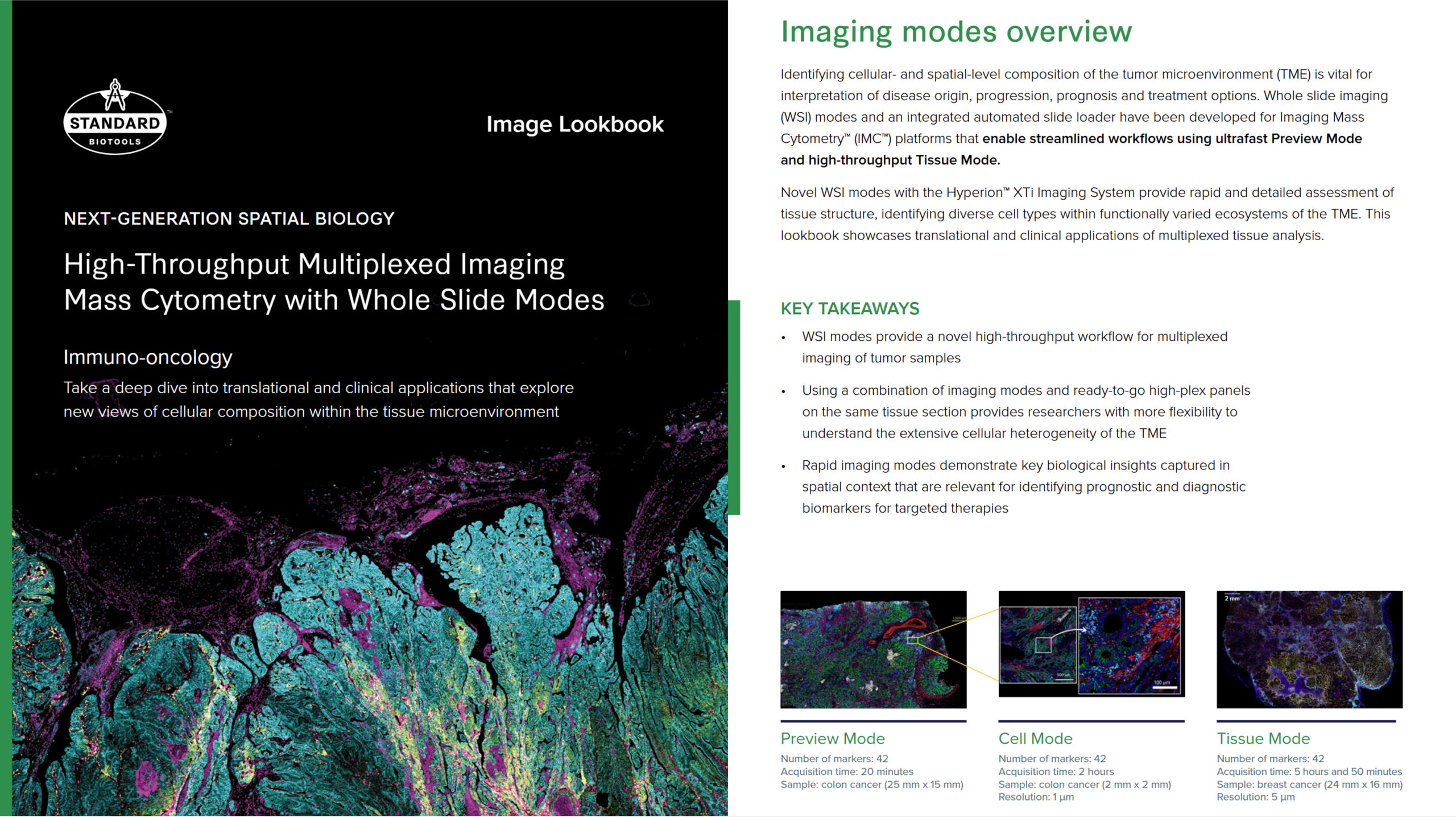
Browse through the Image Lookbook to take a deep dive into translational and clinical applications that explore new views of cellular composition within the tissue microenvironment.
Solutions at all levels of research
Standard BioTools uniquely scalable technologies offer the highest levels of content and precision in the life science industry, enabling researchers to discover novel biological insights not accessible by other approaches.
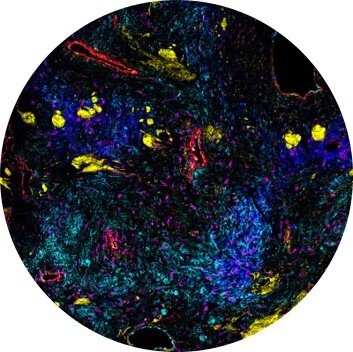
Featured article: Deciphering one of the most challenging forms of cancer
Take an in-depth look into the spatial landscape of neoplastic brain tissue.
Key publications showcasing Standard BioTools technologies



Questions?
Contact us for product orders, quotes or other inquiries.
Let's talk